#JapanTokenizesGovernmentBonds
#JapanTokenizesGovernmentBonds — Traditional Finance Moves On-Chain
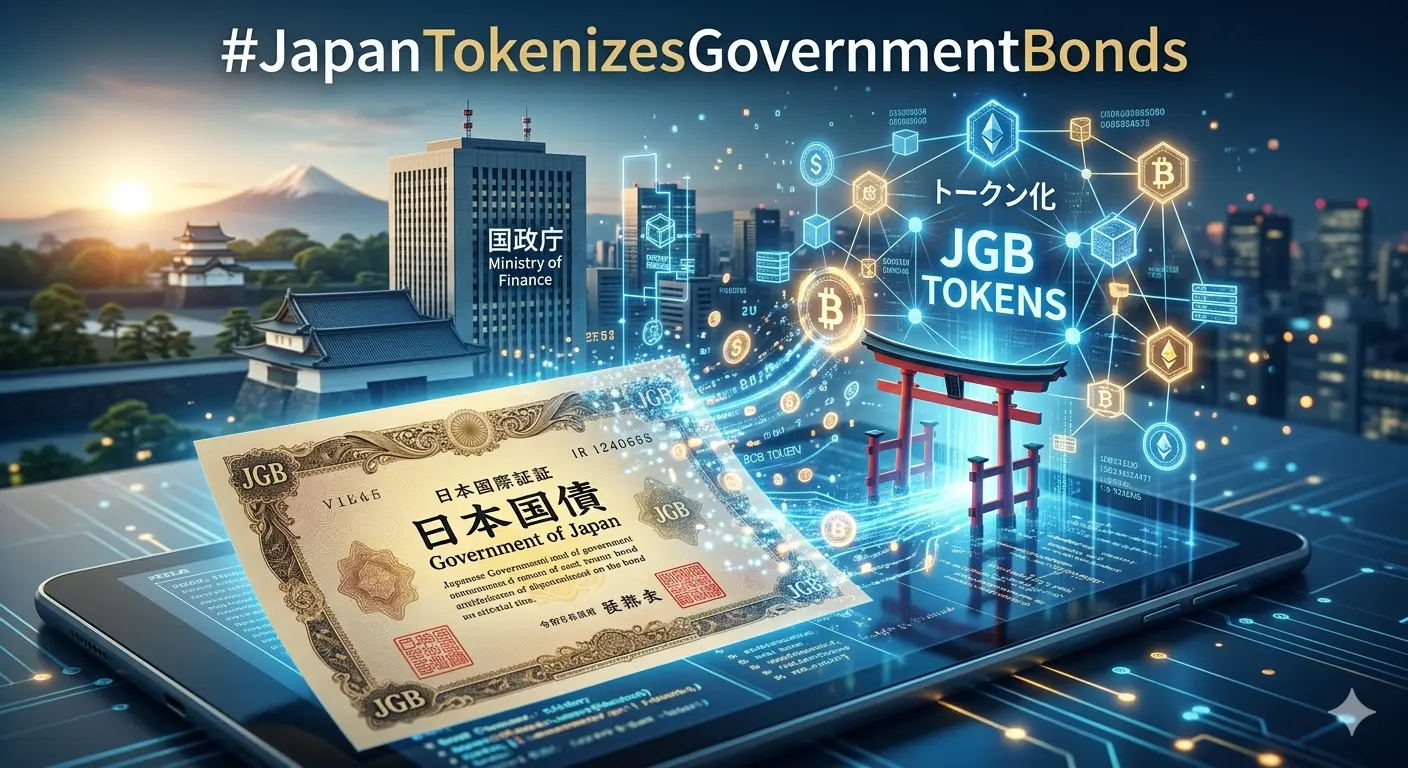
Japan is taking another major step toward integrating blockchain technology into traditional financial infrastructure by exploring the tokenization of Japanese Government Bonds (JGBs). The initiative is attracting global attention because it combines one of the world’s largest sovereign bond markets with blockchain-based settlement systems, creating a powerful signal that institutional finance is increasingly embracing digital asset infrastructure.
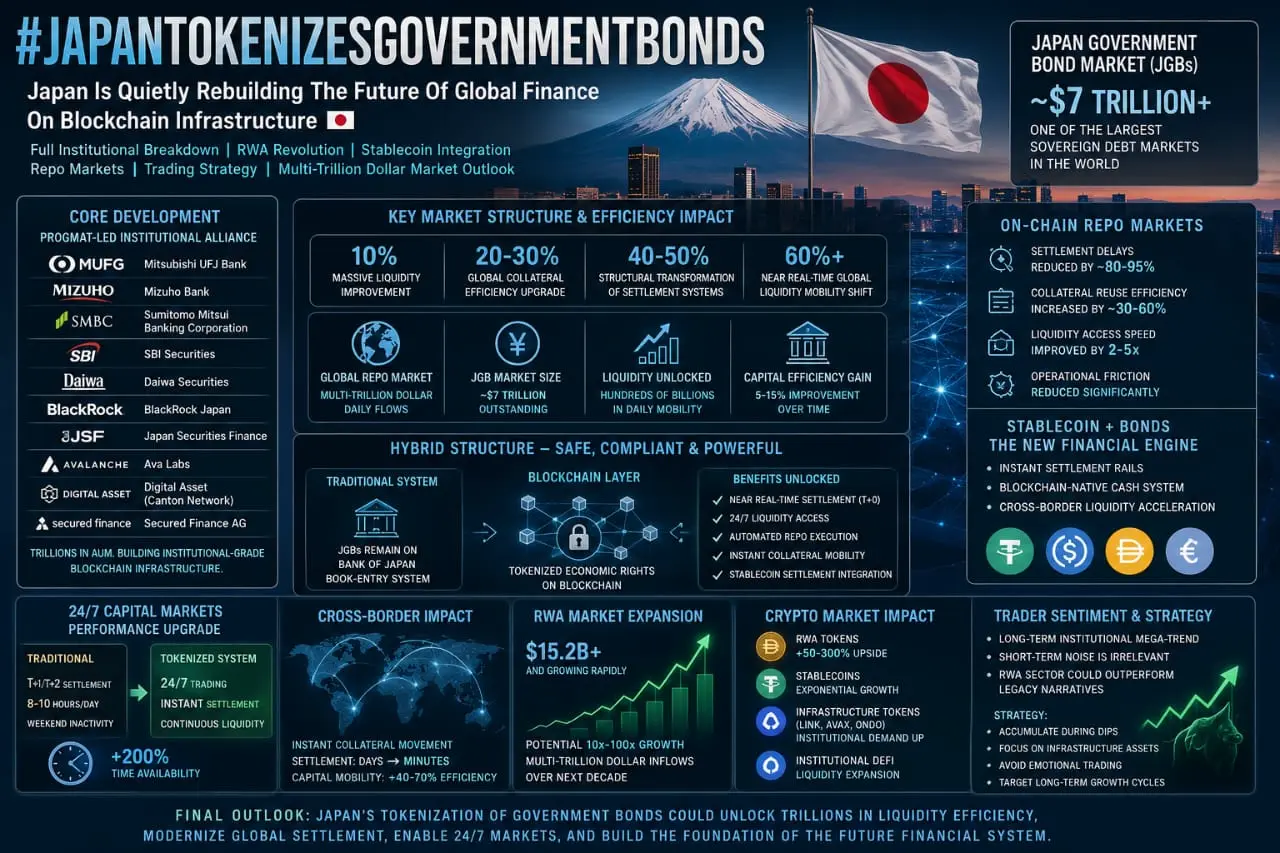
The core objective behind the initiative is not speculative crypto trading. Instead, the focus is on improving the efficiency of collateral management, settlement speed, liquidity movement, and cross-border financial operations using blockchain rails. Major Japanese financial institutions including Nomura Holdings, Mizuho Financial Group, and the Japan Securities Clearing Corporation are participating in proof-of-concept trials involving tokenized government bond infrastructure.
---
📊 Why This Matters For Global Markets
Government bonds are considered one of the foundational assets of the global financial system. They are widely used as collateral between banks, institutions, and financial counterparties.
When a country like Japan begins exploring blockchain integration for sovereign debt infrastructure, markets view it as evidence that distributed ledger technology is evolving beyond retail crypto speculation into institutional financial architecture.
This initiative could potentially improve:
Settlement efficiency
Cross-border collateral transfers
Capital utilization
Market liquidity
Operational transparency
Traditional bond settlements often operate on delayed timelines, sometimes requiring next-day processing. Blockchain-based infrastructure aims to reduce those delays dramatically.
---
⚡ The Push Toward 24/7 Financial Infrastructure
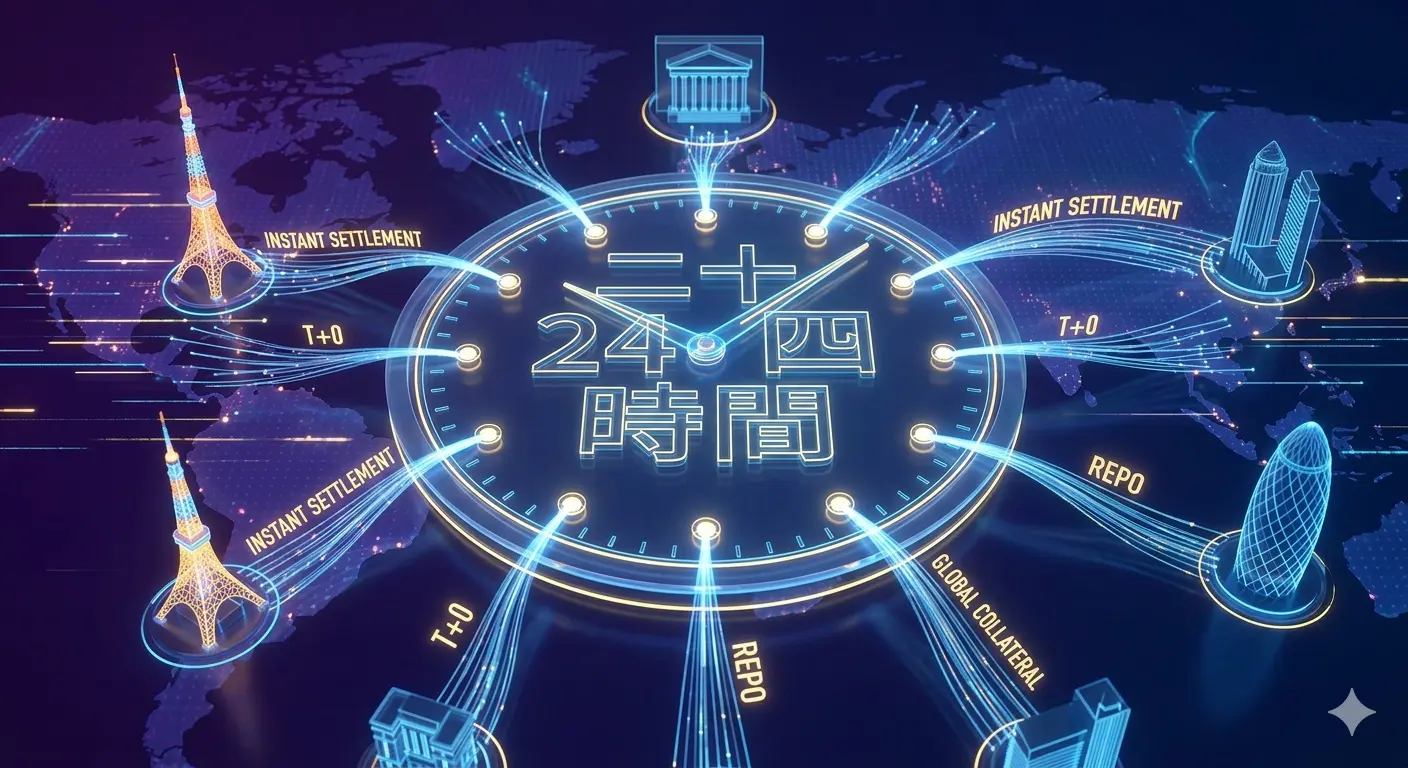
One of the biggest structural limitations of traditional finance is that markets operate within fixed hours while global liquidity demand is continuous.
Japan’s blockchain bond initiatives are exploring:
24/7 collateral movement
Real-time settlement systems
Tokenized repo transactions
Instant liquidity management
This is important because modern digital markets increasingly demand around-the-clock functionality similar to cryptocurrency markets.
If successful, tokenized JGB infrastructure could significantly improve capital efficiency for institutional investors by reducing settlement friction and administrative overhead.
---
🏛 Stablecoins And Bond Markets May Converge
Another major theme emerging from the initiative is the potential interaction between tokenized government bonds and stablecoins.
Some proposals involve:
Stablecoins serving as settlement layers
Tokenized bonds acting as collateral
Blockchain lending systems facilitating repo transactions
This could create a hybrid financial ecosystem where traditional sovereign debt and blockchain-native liquidity systems operate together.
Markets are paying attention because this represents a bridge between:
Traditional finance (TradFi)
Decentralized infrastructure
Institutional blockchain adoption
---
📈 Why Crypto Investors Are Watching Closely
Even though the initiative centers on government bonds, the crypto industry sees broader implications.
Institutional adoption of blockchain infrastructure often strengthens:
Confidence in distributed ledger systems
Real-world asset (RWA) narratives
Tokenization sectors
Digital settlement networks
Infrastructure-focused blockchain ecosystems
Historically, crypto markets tend to react positively when large-scale financial institutions validate blockchain utility beyond speculation.
---
🔄 Real-World Asset (RWA) Expansion
The tokenization of government bonds fits directly into the growing “Real-World Asset” trend within crypto markets.
RWAs involve bringing traditional financial instruments on-chain, including:
Bonds
Treasury products
Real estate
Credit markets
Commodity-backed assets
Many analysts believe RWAs could become one of the largest long-term growth sectors in blockchain finance because they connect traditional capital markets with programmable digital infrastructure.
Japan’s participation strengthens the legitimacy of this trend globally.
---
🧠 Why This Is Bigger Than Crypto Prices
The significance of tokenized government bonds extends beyond short-term market reactions.
This development represents a structural shift:
Financial systems becoming programmable
Settlement systems moving toward real-time operations
Blockchain entering institutional infrastructure
Sovereign financial products becoming digitally integrated
Instead of replacing traditional finance, blockchain is increasingly being positioned as an enhancement layer for existing systems.
That distinction is extremely important.
---
🚀 Long-Term Outlook
If Japan successfully expands tokenized government bond infrastructure, it could influence how other major economies modernize their own financial systems.
Potential long-term outcomes include:
Faster global collateral markets
Reduced settlement risk
Greater financial transparency
Improved liquidity efficiency
Expanded institutional blockchain adoption
Markets now increasingly view blockchain not only as the foundation for cryptocurrencies but also as a future infrastructure layer for traditional finance itself.
The movement toward tokenized sovereign debt may ultimately become one of the most important long-term bridges connecting traditional financial markets with the digital asset economy.
#JapanTokenizesGovernmentBonds — Traditional Finance Moves On-Chain
Japan is taking another major step toward integrating blockchain technology into traditional financial infrastructure by exploring the tokenization of Japanese Government Bonds (JGBs). The initiative is attracting global attention because it combines one of the world’s largest sovereign bond markets with blockchain-based settlement systems, creating a powerful signal that institutional finance is increasingly embracing digital asset infrastructure.
The core objective behind the initiative is not speculative crypto trading. Instead, the focus is on improving the efficiency of collateral management, settlement speed, liquidity movement, and cross-border financial operations using blockchain rails. Major Japanese financial institutions including Nomura Holdings, Mizuho Financial Group, and the Japan Securities Clearing Corporation are participating in proof-of-concept trials involving tokenized government bond infrastructure.
---
📊 Why This Matters For Global Markets
Government bonds are considered one of the foundational assets of the global financial system. They are widely used as collateral between banks, institutions, and financial counterparties.
When a country like Japan begins exploring blockchain integration for sovereign debt infrastructure, markets view it as evidence that distributed ledger technology is evolving beyond retail crypto speculation into institutional financial architecture.
This initiative could potentially improve:
Settlement efficiency
Cross-border collateral transfers
Capital utilization
Market liquidity
Operational transparency
Traditional bond settlements often operate on delayed timelines, sometimes requiring next-day processing. Blockchain-based infrastructure aims to reduce those delays dramatically.
---
⚡ The Push Toward 24/7 Financial Infrastructure
One of the biggest structural limitations of traditional finance is that markets operate within fixed hours while global liquidity demand is continuous.
Japan’s blockchain bond initiatives are exploring:
24/7 collateral movement
Real-time settlement systems
Tokenized repo transactions
Instant liquidity management
This is important because modern digital markets increasingly demand around-the-clock functionality similar to cryptocurrency markets.
If successful, tokenized JGB infrastructure could significantly improve capital efficiency for institutional investors by reducing settlement friction and administrative overhead.
---
🏛 Stablecoins And Bond Markets May Converge
Another major theme emerging from the initiative is the potential interaction between tokenized government bonds and stablecoins.
Some proposals involve:
Stablecoins serving as settlement layers
Tokenized bonds acting as collateral
Blockchain lending systems facilitating repo transactions
This could create a hybrid financial ecosystem where traditional sovereign debt and blockchain-native liquidity systems operate together.
Markets are paying attention because this represents a bridge between:
Traditional finance (TradFi)
Decentralized infrastructure
Institutional blockchain adoption
---
📈 Why Crypto Investors Are Watching Closely
Even though the initiative centers on government bonds, the crypto industry sees broader implications.
Institutional adoption of blockchain infrastructure often strengthens:
Confidence in distributed ledger systems
Real-world asset (RWA) narratives
Tokenization sectors
Digital settlement networks
Infrastructure-focused blockchain ecosystems
Historically, crypto markets tend to react positively when large-scale financial institutions validate blockchain utility beyond speculation.
---
🔄 Real-World Asset (RWA) Expansion
The tokenization of government bonds fits directly into the growing “Real-World Asset” trend within crypto markets.
RWAs involve bringing traditional financial instruments on-chain, including:
Bonds
Treasury products
Real estate
Credit markets
Commodity-backed assets
Many analysts believe RWAs could become one of the largest long-term growth sectors in blockchain finance because they connect traditional capital markets with programmable digital infrastructure.
Japan’s participation strengthens the legitimacy of this trend globally.
---
🧠 Why This Is Bigger Than Crypto Prices
The significance of tokenized government bonds extends beyond short-term market reactions.
This development represents a structural shift:
Financial systems becoming programmable
Settlement systems moving toward real-time operations
Blockchain entering institutional infrastructure
Sovereign financial products becoming digitally integrated
Instead of replacing traditional finance, blockchain is increasingly being positioned as an enhancement layer for existing systems.
That distinction is extremely important.
---
🚀 Long-Term Outlook
If Japan successfully expands tokenized government bond infrastructure, it could influence how other major economies modernize their own financial systems.
Potential long-term outcomes include:
Faster global collateral markets
Reduced settlement risk
Greater financial transparency
Improved liquidity efficiency
Expanded institutional blockchain adoption
Markets now increasingly view blockchain not only as the foundation for cryptocurrencies but also as a future infrastructure layer for traditional finance itself.
The movement toward tokenized sovereign debt may ultimately become one of the most important long-term bridges connecting traditional financial markets with the digital asset economy.